Teaching Sex Education Starts at Home – Toddlers, Pre-Schoolers, Children, Four Steps Before Seven Years Old

Sex Education for Toddlers and Preschoolers

What parents don’t know will hurt their children.

Teaching Sex Starts at Home

This subject became of interest when a naive and trusting eleven year old girl wanted to show me her MySpace page on my laptop. I thought it was odd because the age requirement to register on MySpace is fourteen years old.

After she logged on to her MySpace account she cupped with her two small hands over the lower right corner of the screen, an area she didn’t want me to see and hopefully hidden from my eyes.  I made believe I didn’t see. I told her what a nice MySpace page she had, but was emotionally shocked to glimpse what she was hiding beneath her two innocent hands. Much to my surprise she was hiding the words “come f… me”.  At this point, after hiding my shock, my first impression was wondering whether her parents knew what she was doing… was she having fun or was this innocent prostitution. Moms and Dads, this is the real world your children may be exposed to and potentially harmful to a child’s mental and physical development.  For more information on internet safety for children and helping parents to be more vigilant about supervising their children when it comes to what their children are exposed to on the internet, television, magazines, movies, etc. see “Setting On-Line Boundaries” by Larry Czerwonka.  Larry helped MySpace convict a sexual internet predator. In today’s digitally connected world, Larry’s article is highly recommended.

This is one of the experiences and reasons I left teaching and instead was led to help parents teach children early… this incident helped spawn the beginning of Starts at Home.

By befriending a mute, a “cutter”, and sexually abused children, many times it’s about healing the inner child and not looking at their chronological age and instead their developmental age.  As a community we can together help parents train children early about sex and prevent children from learning from poor role models who can stifle their full God-given potential.

If you’re like one of these children and have found difficulty along life’s highway, remember that it’s not your fault.  Many of your problems started from your lack of positive parenting; many times our parents were innocent and blind… it’s been said “kids are not born with instructions”.  I hope this article assists caring parents achieve the best for their children.

 Let’s Talk about Children’s Sex Education

In a surprisingly long search to find a speaker for our May 9, 2011 Parenting Pot-Luck dinner, Kathi Kreinik (1), Regina Puritan(2), and Danielle Spain (3) from Parents, Inc. were all willing to teach a class on “How to Teach Age Appropriate Sex to Young Children before 7 Years Old”.  I was pleased to find someone to teach this subject as teaching sex to children in today’s culture appears to a difficult teaching responsibility for parents.

The staff at Parents, Inc. were more than willing as they have seen the results of traumatized children who experienced sex abuse and parental neglect, they were willing to share their knowledge to help parents who are naïve and blind to what’s behind their children’s closed doors or who’s teaching them about sex.

At our parenting dinner, Danielle Spain outline concepts of teaching sex education and programs offer by Parents, Inc.

Myself, I learned about sex from my childhood friend Sidney, a classmate in the sixth grade; I didn’t feel good that day and found the subject yucky. Now, reflecting back in time and having gained wisdom from my mistakes I’m led to share concepts in hopes of helping others.

The following table was created from concepts gathered from Parent’s Inc., Mayo Clinic, Eric Erickson, PhD., and Michelle Borba, PhD,

 Starts at Home’s – Four Steps in Teaching Sex Education to Children

Below are age phases children experience through early childhood.  During each phase teaching sex education to toddlers and young children have appropriate opportunities.

 Age Birth to 1 Year

 2 – 4 Years

 3 – 5 Years

 6 Years and Older

 Build a Trust Bridge

 Early Child Parent Child Bonding

 The Trust Bridge is the gateway to teaching age appropriate sex education.

It’s the Planting Twos, Not the Terrible Twos

 Planting Family Values, Morals, Safety, and technical skills.

 Parents serve as good role models.

The Why and Curious Years

Appropriate questions and answers to the children’s “whys”

Teaching about Intercourse

Conception of Life, Puberty, Safety, and Abstinence.

The Steps of Teaching Sex Education to Children

Year 1, Build a Trust Bridge – An Early Child-Parent Bonding
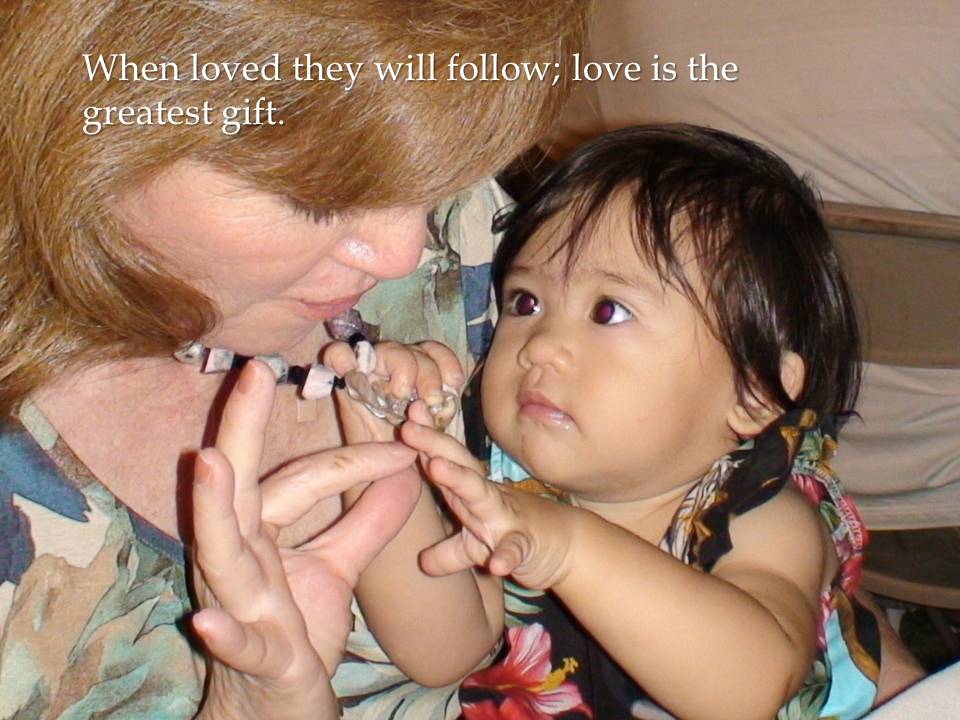
Building the Trust Bridge
Children will trust and follow a loving and nurturing spirit

According to Eric Erikson, the trust versus mistrust stage is the most important period in a person’s life.The trust versus mistrust stage is the first stage of Erikson’s theory of psychosocial development. This stage occurs between birth and approximately 18 months of age. Without this an infant may be unable to form intimate lasting relationships later in life.

Bonding between the child and parent starts developing immediately following birth and strengthens with the first year after birth. This is a time when parents can nurture a child with hugs, talking, laughing, feeding, smiling, playing music, singing, and changing diapers. The regular and consistent support from parents, who are the primary care giver, is most important during this phase, also support comes from grandparents, uncles, aunties, sitters, and close friends who help nurture and protect the child; this is a basic need for attachment.

Gooddads enjoying and bonding with their children, building a trust bridge to last a lifetime.

Children will not remember their first years of life and the instinctive and innate bonding that occurred. This period will never come back again.  Dads, it’s a time to spend less time at work, less time with personal friends, and less outside activities; it’s a period to spend more time spent with your new baby and family.

In the absence of this bond, the development of stress and trauma may develop including: disturbances of sleep and eating, inability to be soothed and constantly crying.

This lack of bonding can been seen in the case involving convicted life sentenced murderer Charles Manson, whose mother, a prostitute, did not give him a first name after birth, later she sold him for a pitcher of beer. Charles Manson remains in prison serving a life sentence.  His early childhood development lacked the nurturing and bonding from his parents. Another was is the horrific case of baby Brianna, who was raped and murdered by her parents; Brianna died at the age of six months. Their stories can be viewed on YouTube; hyperlinks herein attached above.

According to Seth Meyers, Psy.D.  convicted sociopaths are not all raised in abusive childhood relationships, and “we may never fully understand the etiological process underlying sociopathy”.

Nevertheless, Austrian child development psychologist Anna Freud, said, “Creative minds have always been known to survive any kind of bad training”.  Believing in hope, faith, and love greatly can help to heal the inner child.

Years 2-4, Planting Years – Not the Terrible Twos

During these planting years children learn from their parents’ family values, social morals, and analytical skills that children will keep for the rest of their lives.  During these early years teaching children what is morally right and wrong, concepts of sharing, listening, reading, math, and obedience are learning quickly and almost without effort.  Maria Montessori, MD. said, “The first idea the child must acquire is that of the difference between good and evil”.  She also said “The only language men ever speak perfectly is the one they learn in babyhood, when no one can teach them anything!” The infamous German leader, Adolph Hitler said, “Who owns the youth, gains the future.”  Pastor Gregg Laurie of Harvest Ministries remarks “Obedience starts in the high chair, not in the electric chair”.

On the matter of sex education during the planting years this is a period to teach family values.  Showing pictures or drawings of a happy and loving family, babies nurtured by a loving mom and dad, teaching them their bodies are private and not shown to others or shared, what is good touching verses bad touching, and saying no to bad or secret touching. These are family values parents teach children hoping they may adopt them as part of their personalities.

President Bill Clinton said “The single biggest social problem in our society may be the growing absence of fathers from their homes and children.” In an article found in the website of  the U.S. Department of  Health and Human Services, Office of Population Affairs, we are reminded and too familiar with the statistics of being raised in fatherless homes; at JSI Research and Training Institute’s conference,  moderated by, Gilbert Chavez, 06-10-09, he reminds us that fatherless homes are:

  • 5 times more likely to commit crimes,
  • 9 times more likely to drop out of school
  • 20 times more likely to end up in prison
  • Forty percent of all children born in America today will be born to unmarried parents.

Years 3-5, The Why and Curious Years

Danielle Spain, Parents Inc.

Danielle Spain from Parents, Inc. offers the following insights and tools for talking with pre-school children about sex education:

Age Appropriate Sexual Behavior – Preschool Age (0-5 years)

Common:

  • Will have questions and express knowledge relating to:
    • Differences in gender, private body parts,
    • Teach them the correct word to describe their private parts like penis and vagina.  When the children grow up they will appreciate the fact you taught them and not taught by others children or the media. This teaching helps strengthen the bond between parents and children. There is no need at this time to discuss sexual intercourse.
    • Hygiene and using the toilet.
    • Pregnancy and birth.
    • Children will explore their genitals and can experience pleasure.
    • Showing and looking at private body parts.

 Uncommon and Warning Signs

  • Having knowledge of specific sexual acts or explicit sexual language
  • Engaging in adult-like sexual contact with other children.

 If you experience these kind of behavior, find out gently how  they learned this from and intervene to stop this unwanted teaching.

Signs more typical of younger children who MAY have had inappropriate exposure to sexual behavior or media.

  • An older child behaving like a younger child (such as bed-wetting or thumb sucking.
  • Have new words for private body parts.
  • Resists removing clothes at appropriate times (bath, bed, toileting, diapering)
  • Asks other children to behave sexually or play sexual games.
  • Mimics adult-like sexual behavior with toys or stuffed animal.
  • Wetting and soiling accidents unrelated to toilet training.

 5 Tools for Talking with Pre-school Children about Sex Education

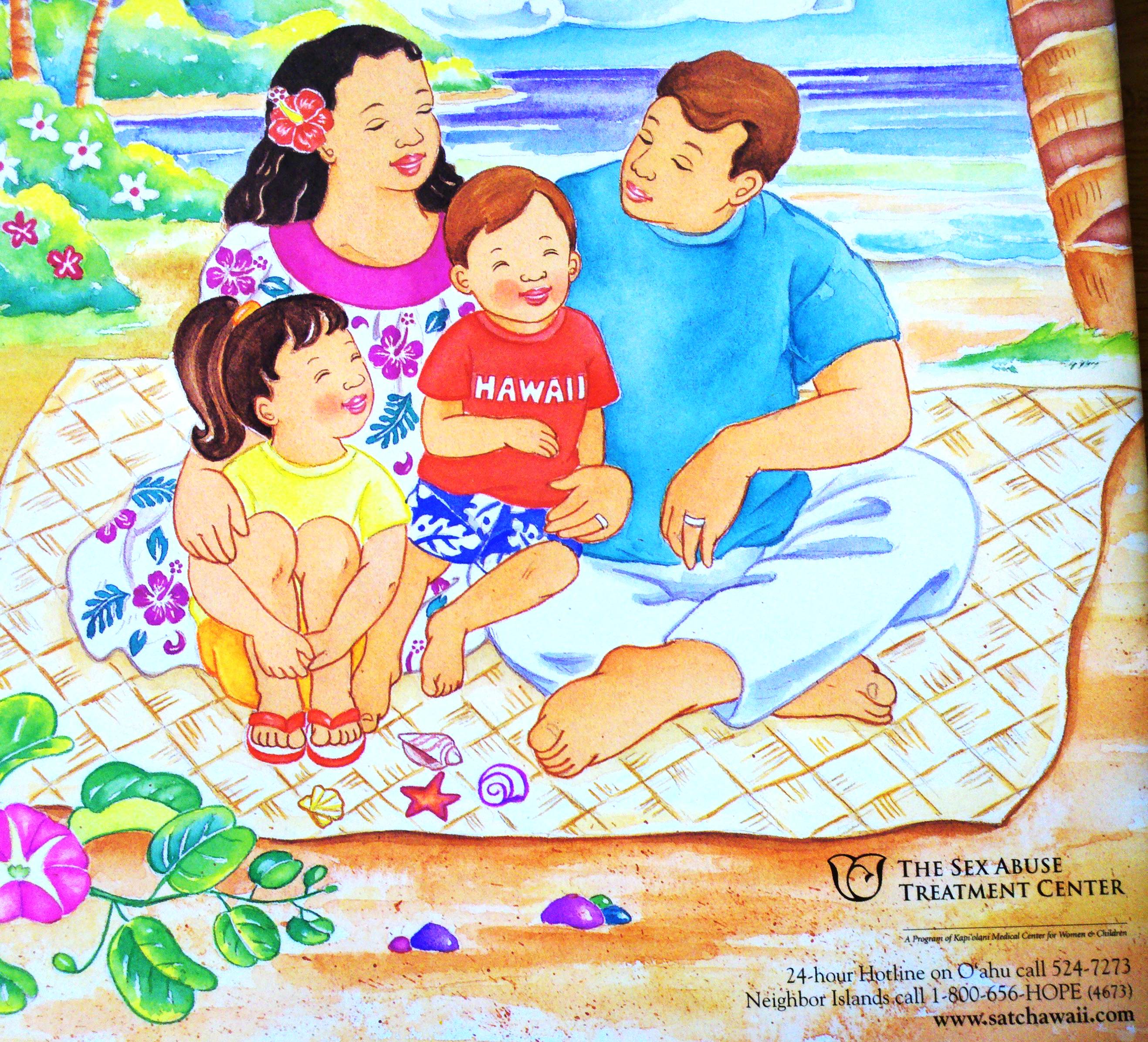
  1. Get assistance.  Purchase books and DVDs which may help explain what sexual abuse is and how it can be prevented. This helps introduce the subject especially for younger children.  Children’s coloring and activity book is available through the Sex Abuse Treatment Center, call 1-800-656-Hope. www.satchawaii.com
  2. “Educate children on good touching, bad touching, and safe touching in an age appropriate way. Use correct terms for body parts. Don’t force children to hug and kiss relatives; allow them to refuse. Explain to them that their body is their own.
  3. Inform children no one has the right to touch them in a way that makes them feel uncomfortable. Explain to them if an adult tries to touch them on their private parts, they need to say no, get away and tell someone.  Be sure children understand that it is never their fault if an adult makes a sexual advance.
  4. Teach children safety rules. Children should be instructed to never go anywhere with someone they don’t know.  They should check with a parent before going anywhere such as a friend’s house or the park.  Do not scare your child while discussing ways to stay safe.

    Sex Education by Nurturing Parents
  5. Reinforce lessons. Children need to occasionally be reminded of the information you gave them. Create “what if” scenarios with your child to be sure they understand what they would do in a certain situation.

Years 6 and Older – Teaching about Intercourse and Conception of Life

 By this age, you and your child are enjoying a good trusting relationship. Your children have no inhibitions to ask you questions about sex, their body parts, and the importance of family.  The day will come when they will want to know how the baby gets into mommy’s stomach.  This is your opportunity to teach children about sexual intercourse. Some of the main points to convey to your children are:

  • This is a time when married people decide they want to have children to add to their family.
  • God or Mother Nature made people like you and me.  Daddy’s penis and mommy’s vagina fit together when they love each other.
  • Daddy’s penis has little tadpoles called sperm and joins together with an egg inside of mommy’s vagina.  Then the egg grows into a little baby.
  • After growing for nine months inside of mommy’s stomach called the uterus or womb, the baby can comes out and is part of our growing family.
  • That’s why we should take good care of our bodies and eat healthy foods so the baby will be born healthy.
  • Children may feel that parents don’t trust them if sex talks are not freely discussed, so be prepared to discuss these topics.
  • The next stage will come when children reach puberty and start growing hair in private areas. This is a time when you can be prepared to teach your children about puberty and what this means, including for girls the meaning of menstrual cycles.
  • Your children may want to share what they know with other children; your can advise them to note share and this should be between parents and their children. Just imagine how your child would feel that you shared this important subject with them, and how they feel you trusting them. They would feel important and loved.
  • Sharing your concerns about Sexually Transmitted Diseases (STD) or HIV.
  • The subject and reminder of abstinence.

Summary:

Teaching sex education to pre-school toddlers is the right time. Teaching sex education is a series of talks over many years and is not a one time class; it’s an evolution and that starts with building the trust bridge and many age appropriate talks between parents and children through puberty and adolescence.

Potluck Dinners and Classes

Starts at Home potluck luck dinners are held monthly on the second Tuesday of month; information on these parents’ meet ups are posted in this blog under the Classes Menu. These dinners are open to the public.  Because our parents and children have busy schedules, dinner starts early at 5:30 pm and done by 8:00 pm.  Parents are married, single, and blended families; all parents are welcomed. For more information call (808) 937-4392.

Additional Online References

7 Deadly Myths About Raising Moral Kids

by Michele Borba, Ed.D.

MYTH 6: Moral growth starts at school age.
A common mistake parents make is waiting until their kids are 6 or 7-the so-called Age of Reason-to build their moral IQ. By then poor moral habits have formed and are so much harder to break. The fact is parents can start enhancing kids’ moral growth when they are toddlers. Although at that age they certainly don’t have the cognitive capacities to handle complex moral reasoning, that’s when the rudiments of moral habits-such as exercising self-control, being fair, showing respect, sharing, and empathizing-are first acquired. So the earlier parents begin cultivating their kids’ moral capabilities the better the chance they have of raising good moral beings.

Sex Education: Talking to toddlers and preschoolers about sex

by Mayo Clinic Staff

Sex education often begins with a child’s curiosity about his or her body. Here’s how to set the stage for sex education – and how to answer your child’s questions.

Talking to Kids about Sex

by the Editors of Parenting Magazine

The “birds and the bees” talk is one that parents often put off as long as possible. But learning about sexuality is a normal part of child development, and answering your child’s questions in an honest, age-appropriate way is the best strategy. Read on for tips on what to say, and when.

Setting Boundaries On-Line 

By Larry Czerwonka

For more information on internet safety for children and helping parents to be more vigilant about supervising their children when it comes to what their children are exposed to on the internet, television, magazines, movies, etc.

(1) Kathi Kreinik, MSW, ACSW, DCSW, BCD, LCSW. Kathi is currently retired after more than 40 years as a professional social worker. She has served as the Executive Director of both the NASW-Hawaii Chapter and Parents Anonymous, Hawaii. She also worked for the federal government in Family Advocacy. Her specialty is in the areas of child abuse and neglect. She is currently the President of the Board of Directors for P.A.R.E.N.T.S., Inc.

(2) Regina Purinton, Big Island Program Director Parents Inc. is originally from Oahu.  She obtained by Bachelor’s in Social Work and her Master’s in Social Work from the University of Hawaii at Manoa in 1994 when she relocated to Hilo.  Her past experience includes:  Working for the Department of Human Services as a Social Worker, in Hilo as well as on Oahu.  She also worked for DHS in the licensing of Day Care facilities and private homes. She has experience working for the Department of Health in the Child and Adolescent Mental Health Division. She helped open the Hilo office of PARENTS Inc. in 1999 and has been the Program Director since.

(3) Danielle Spain, Clinical Supervisor has lived in Hilo since 1992. She obtained a double Bachelor’s degree in Sociology and communication from UH Hilo as well as her certification in treating addiction. In 2002 she received her Master’s in Counseling from the University of Phoenix. She has a small private counseling practice working with juvenile sex offenders and she and her husband are foster parents for high risk youth. Her past experience includes: 10 years working in the field of addiction eventually becoming the Director of Operations for the Big Island Substance Abuse Council. She then went and worked for various non-profits here in Hilo gaining experience working with a number of social ills including poverty, domestic violence, sex assault and high risk youth. Most recently she worked for the Department of Human Services Child Welfare as an investigator.

New Techniques to Help Couples and Families Overcome Conflicts – Leonard Mukai, Ph.D.

Using Human Needs Psychology to bring rapid, sustainable improvements in relationships

Relationship conflicts create mental, physical, financial, and family problems. These problems include divorce, domestic violence, infidelity, depression, stress, and out-of-control children. These problems are so widespread that dramatic change is needed to overcome them.
The most effective solution is to treat the cause of the problem. The root of the problem is that individual needs are not met. This creates conflicts. The simplest example is an infant. His (or her) needs are very simple. He needs to be fed, loved, and kept comfortable. If these needs are not met then he will quickly cry or scream. Children, adolescents, and adults are similar to infants but with a few more needs. By understanding and meeting an individual’s needs, conflicts are resolved and even prevented. 
Tony Robbins and Dr. Cloe’ Madanes have developed a new school of psychology, Human Needs Psychology, and the Robbins-Madanes Institute for Strategic Intervention in order to give people tools to overcome and prevent conflicts.

Come to a free introductory session on Human Needs Psychology. It will include a video of a powerful intervention by Tony Robbins that restored a distressed marriage.

Place: Uncle Billy’s Hilo Bay Hotel
Date: Friday June 17, 2011, 6:30 – 8:30 pm. Registration begins at 6:00.
Call Leonard Mukai             808-935-7050       to pre-register.
Leonard Mukai, noparentingproblems.com

Parenting Class – How to Teach Age Appropriate Sex Education to Young Children Before 7 Years Old

Parents Nurturing and Loving Children

Here’s a subject many parents shy away from due to not being sure how to communicate with their children on this sensitive and important subject.  Parents Inc. and our moderators will be sharing with our parenting group ways to communicate to children on this subject. Guest speakes from Parent’s Inc. will include *Regina Puritan, Big Island Director, and *Danielle Stain, Clinical Supervisor.

The important points in this class is sharing material that is age appropriate presented in a nurturing way.  The class will share ways to build a bond between child and parent(s) so children will openly seek the parent’s knowledge instead of going to other children or inappropriate media.  We hope you will join our fun group.  Anyone parenting is invited, especially dads.

Moderators(s):                           Carl Okuyama and Leonard Mukai, Ph.D.

Date:                                         Tuesday, May 10, 2011

Time:                                        5:30 pm to 8:30 pm

Cost:                                         Pot Luck Dinner,  No Fees

Sitter:                                      Amy Okuyama (librarian) will help sit the children. If you would like to help sit the children, your assistance would be appreciated.

Place:                                       Carl and Amy’s Place, 1346 Kilikina Street, Hilo, located above Hilo Medical Center; take second left street passed Hilo Medical center – Lahi Street; then take first right – Kilikina Street; then drive down the hill .4 mile to 1346 Kilikina; on the left side; two-story grey and white colored house.

RSVP:  startsathome@hotmail.com,   or call Carl at (808) 937-4392, or Amy (808) 938-8977.

Starts at Home Map - 1346 Kilikina Street, Hilo, Hawaii 96720
Map to Starts at Home – 1346 Kilikina Street, Hilo, Hawaii 96720
Bio on Speakers:
*Regina Purinton,  Big Island Program Director Parents Inc. is originally from Oahu.  She obtained by Bachelor’s in Social Work and her Master’s in Social Work from the University of Hawaii at Manoa in 1994 when she relocated to Hilo.  Her past experience includes:  Working for the Department of Human Services as a Social Worker, in Hilo as well as on Oahu.  She also worked for DHS in the licensing of Day Care facilities and private homes. She has experience working for the Department of Health in the Child and Adolescent Mental Health Division. She helped open the Hilo office of PARENTS Inc in 1999 and has been the Program Director since.

*Danielle Spain, Clinical Supervisor has lived in Hilo since 1992. She obtained a double Bachelor’s degree in Sociology and Communication from UH Hilo as well as her certification in treating addiction. In 2002 she received her Master’s in Counseling from the University of Phoenix. She has a small private counseling practice working with juvenile sex offenders and she and her husband are foster parents for high risk youth. Her past experience includes: 10 years working in the field of addiction eventually becoming the Director of Operations for the Big Island Substance Abuse Council. She then went and worked for various non-profits here in Hilo gaining experience working with a number of social ills including poverty, domestic violence, sex assault and high risk youth. Most recently she worked for the Department of Human Services Child Welfare as an investigator. In July of 2010 PARENTS Inc was awarded the VCM contract and she came to work for PARENTS Inc.

Setting Boundaries On-Line – by Larry Czerwonka

SETTING BOUNDARIES ON-LINE …
A DOG AND A COOLER, CHILDREN AND THE INTERNET

I am going to begin with a lesson I learned when I was about ten years old, the lesson was revealed by a German Shepherd puppy and a cooler.

It began when my friends family got a small puppy, one that they did not want running throughout the house when they were not there to supervise it. The solution that they came up with was to simply use a large cooler (the type you take to the beach to keep your drinks cold) as a barricade in the hallway thereby keeping him confined to a small area at the back of the house. This made perfect sense, especially since the puppy was still too small to get past the barricade but as the puppy grew we all knew that eventually it would be able to simply jump if not step over the cooler.

Larry Czerwonka, CTO Screenspaces

But amazingly even when the dog was full grown he would not venture past the cooler without permission. He had been taught from a young age that when the cooler was in place it marked the limit to where he could journey and since he had always saw the cooler as a barrier not to be crossed, he never did.

I never forgot this lesson and the power of setting boundaries for the dog right from the start and I see it as very applicable for children too especially those closer to four than they are to eighteen. In fact we might want to stack more than a few coolers in the hallway when it comes to kids access to the Internet

Now before you get the impression that I am against kids having access to the Internet let me talk about my eight year old grandson and his access to technology.

As young as 6 months old he was sitting on my lap as we navigated to kids sites where we watched videos and played games and learned words. We also went into graphics programs where I showed him what to do to create images and by the age of two he could not only create his own images but he could print them out as well. He could also go on-line and go to the kid sites that we had been visiting for almost two years. He did this by going to bookmarks that I had created for him. He did not know that there were such things as search engines (cooler I placed).

Just before he turned three we had set up an old computer just for him to use with all the bookmarks he was used to, we even placed short cuts to his favorite sites onto the desktop (another cooler placed to keep him from going to places he should not go to).

Train our children young before seven years old.
Internet Training for Parents

All this time he still was under the impression that you got to sites by using bookmarks. At around age four his first computer was growing old and slow and I had just purchased a new laptop so we gave him my old laptop and again set bookmarks and links of the desktop and the graphics program that he had used since he was a year old. We also started going to more and more sites and bookmarking them.

It should come as no surprise that by age five he was reading and could get around the computer quite well.

At age six we bought him his very own brand new laptop computer. He also started learning about downloading games at this time but he was not allowed to download any game without asking first (cooler). We also signed him up for Disney’s ToonTown http://toontown.go.com/

He is now eight and actually spends more time on the ipad than on his computer. He searches YouTube all the time to find videos showing him how to do things in his games. The one barrier we set with the videos was if the people talking started using inappropriate words he was to stop the video. Over time he has come to recognize the accounts that have the best information on games and no i inappropriate words so he first clicks on their videos when he is looking for something.

He went through a phase where he liked playing Farmville and a few other games on facebook (thanks to seeing his mom and grandma playing them) so instead of telling him that he could not play them, I set up his computer so it would bring up my facebook account and he could play there (cooler).

His computer rarely is in his room (that’s one reason we got a laptop, so it was not stuck in one location forcing us to be where it was) and we keep the power cord out in the front room. I would say that 90% of the time that he is on-line we can see him. And after years of setting coolers in place we do not worry about him when he is on-line.

I hope the story about the German Shepherd and the cooler and then about my grandson have given you some ideas on setting boundaries early and getting kids on-line even before they can read, since being digitally savvy will give your children or grandchildren a head start on a bright future.

The most important thing for kids growing up today is the love of embracing change. The need to memorize something is a 20th century skill. We can find answers in mere seconds on-line to most any question. The ability to figure out how to trust the information that you find is the new skill that kids will need and if they are competent at doing that then the world is their.

Stop being fearful. This is the digital world our kids live in and we as adults need to accept that.

Now let’s look at some cold hard facts about the Internet and old children and then a list of sites that should be bookmarked for kids to visit.

SOME FACTS WORTH KNOWING

79% of youth unwanted exposure to pornography occurs in the home

Nearly one-third (31percent) of 8 to 18 year-olds have a computer in their bedroom

The predominant sex crime scenario doesn’t involve violence or stranger molesters posing online as children; only 5 percent of offenders concealed the fact they were adults from their victims. Almost 80 percent of offenders were explicit about their intentions with youth. In 73 percent of crimes, youth go to meet the offender on multiple occasions for multiple sexual encounters

Teens are willing to meet with strangers: 16 percent of teens considered meeting someone they’ve only talked to online and 8 percent have actually met someone they only knew online

48 percent of students K-1st grade level interact with people on Web sites, while 50 percent indicate that their parents watch them when they use a computer, leaving the other half of those youngsters more prone to being exposed to predation behaviors or other threats posed by online strangers or even persons they know or regard as friends.

American teens are more wired now than ever before. According to a recent survey, 93 percent of all Americans between 12 and 17 years old use the internet.

20 percent of teens have engaged in cyberbullying behaviors, including posting mean or hurtful information or embarrassing pictures, spreading rumors, publicizing private communications, sending anonymous e-mails or cyberpranking someone.

Frequently children in 4th-6th grade levels engage in social networking activities. In the process they post personal, potentially exploitable, information about themselves online. Specifically,16% posted personal interests online, 15% and 20% gave out their real name. In addition, 5% posted information about their school, 6% posted their home address and 6% posted their phone number.

A majority of teens (58 percent) don’t think posting photos or other personal info on social networking sites is unsafe.

41 percent of teens report their parents talk to them “a lot” about Internet safety and three out of four say their parents have talked to them in the past year about the potential dangers of posting personal info. The level of parental involvement is higher for younger teens and girls.

GREAT SITES FOR KIDS

Molly Moccasins
Molly Moccasins is a new kind of story-driven entertainment for children. This first-of-its–kind book series and interactive website are calling all young adventurers to read, play, think, imagine and investigate. It’s for kids of all ages and supports early learning and literacy development. 
http://www.mollymoccasins.com/

Disney’s ToonTown
A social site that is filled with games for kids to play.
http://toontown.go.com/

PBS Kids
Play games, color, read stories, learn about a handful of PBS show’s characters
http://pbskids.org/

Bananaboo
There’s lots to do at Bananaboo! 4 to 8 year olds will enjoy Bananaboo’s big selection of puzzles, stories, craft ideas, jokes, coloring pages, cut-outs, cartoons, and more.
http://www.bananaboo.com/

Ben & Jerry’s – Fun and Games
Join ice cream makers Ben & Jerry for fun online games, printable activities, desktop wallpaper, and other fun activities.
http://www.benjerry.com/fun/

Berenstain Bears Activities
The Berenstain Bears offer a great selection dress-up games, trivia, mazes, interactive stories, coloring book fun and more.
http://www.berenstainbears.com/learnfun.html

Blockcorner – A Digital Building Toy
Use a simple programming language to create blocks and move them around. Take a look at the Quickstart Guide and experiment with the commands until you get the hang of it, then create a scene as simple or complex as you like!
http://www.blockcorner.com/

ChessKIDS Academy
Designed especially for kids, this excellent guide to the game of chess offers interactive online lessons and quizzes, chess movies, and a challenging online chess game. Created by Richard James, who has been teaching chess to kids for over 30 years.
http://www.chesskids.com/newcourse/index.htm

Crayola
Enjoy plenty of pictures to print and color, arts & crafts, stories, send someone an E-card, or take an inside look at the Crayola factory. Includes sections for parent and educators.
http://www.crayola.com/

Dr. Seuss’s Seussville
Enter the highly interactive world of Dr. Seuss, for games, books, activities, videos, and much more. Includes a section for educators, with pintables and lesson plans.
http://www.seussville.com/

Funology.com
At Funology, science is all about having fun! But that’s not all. Besides fun facts and experiments you can perform, you’ll also find crafts, recipes, magic tricks, jokes, and a whole lot more.
http://www.funology.com/

Kids Games
Here’s a great assortment of games you can play at home or school. The entire collection includes instructions for over 100 classic games like Piggie Wants a Signal, Sardines, and Duck Duck Goose. It’s good old-fashioned fun, that never goes out of style.
http://www.gameskidsplay.net/

KinderArt
You’ll find lots of great ideas for quality art and craft projects at KinderArt. Be sure to check out the sections for younger children, and seasonal crafts too!
http://www.kinderart.com/index.html

KinderGARDEN
Teach children about plants, nature and the outdoors with these gardening tips, ideas and activities.
http://aggie-horticulture.tamu.edu/kindergarden/kinder.htm

Lissa Explains it All – HTML Help for Kids
Want to make a web page but don’t know where to start? Let Lissa help you out! You’ll find everything you need to know from the basics in HTML, to more advanced topics in CSS and Javascript.
http://www.lissaexplains.com/

National Geographic Kids
Get ready to have a wild and fun time at National Geographic Kids! This site offers visitors a wide variety of games, activities, articles on animals, pets, countries, and more.
http://kids.nationalgeographic.com/kids/

NeoPets
Looking for a pet? NeoPets lets you create one, then make it your own by naming it, deciding if you want it to be a boy or girl, among other options. To get started, read the tutorial to learn how to feed your pet, play games, and more.
http://www.neopets.com/

Puzzle Choice
Features fun puzzles and games for kids of all ages. You’ll find printable and online crossword puzzle, word search, and brain teaser games, along with free teacher resources, and much more.
http://www.puzzlechoice.com/pc/Kids_Choicex.html

Sticker World
Like stickers? Then head over to Sticker World, where you can display your collection of eStickers on your very own web page. After signing up, you’re given a web page, starter stickers, and sticker points which you can use to get more stickers for your page. From Children’s Television Workshop.
http://archive.sesameworkshop.org/stickerworld/

Tiny Planets
Blast off to Tiny Planets and discover what fun you’ll have while playing and learning with Bing and Bong. Preschoolers will enjoy visiting this site, where they’ll find games, puzzles, coloring, educational activities, and much more.
http://www.tinyplanets.com/

SOME QUICK SAFETY TIPS FOR PARENTS

  • Become more computer literate and develop Internet savvy.
  • Place your computer in an area of your home where you can easily monitor your child’s Internet activity.
  • Talk with your kids about their online friends and activities.
  • Do not let your kids in chat rooms.
  • Monitor the amount of time your child spends on the Internet
  • Establish online rules and an agreement with your child about Internet use while at home or away from home.
  • Watch for changes in your child’s behavior (mention of adults you don’t know, secretiveness, inappropriate sexual knowledge, sleeping problems, etc.).

Enough Is Enough, a national non-profit organization whose mission is to make the Internet safer for children and families. For more information, please visitwww.enough.org or www.protectkids.com.

——————————————————————–

About the Author: Larry Czerwonka has been helping companies, the government, and individuals find better ways to use the internet since 1995. He was involved in putting the 1st complete Environmental Impact Statement on-line and won several awards for the information exchange he made possible between the government and the public. For the past 10 years he has been involved with creating new and more engaging ways for Fortune 500 companies to interact with their customers. Larry currently lives in Hawaii and works as the CTO for Screenspaces.

——————————————————————-

Larry Czerwonka was our guest speaker at our monthly pot-luck parenting dinner and class.  Starts at Home parenting dinners are open to the public and everyone is welcome.  The gathering starts at 5:30 pm with dinner and program class at 6:00 pm.  Information on up-coming pot-luck dinners are posted on the Class menu of this website.  We hope to see you soon.  Aloha and A Hui Hou.